
The Natural Bed Bug Treatment Guide
The Natural Bed Bug Treatment Guide
There are many of you out there, like myself, who would rather do home repairs and projects ourselves. Armed with a bit of internet knowledge, many of us can complete these projects and save a boatload of money in the process. Today, I will arm you with some knowledge as well, with hopes that you may be able to provide a DIY Bed Bug Treatment yourself. So, sit back, grab a cold drink, and enjoy The Natural Bed Bug Treatment Guide I wrote.
To give you a bit of info about me, the author of The Natural Bed Bug Treatment Guide. I have been a Pest Control Professional since 1988. In that time, I have provided thousands of treatments for many pests, including bed bugs. During this long career that I am still a part of each day, I have learned what works and what does not work. As I paraphrase the commercial, we all hear and recognize, I know a thing or two because I have seen a thing or two. The tips I will give are ones I have employed for many years and have been the result of my success in controlling these insects.
In this guide, we will discuss the different types of treatment applications. We will discuss things such as using steam and even freezing for bed bug control. Additionally, the guide we detail the proper use of mattress covers and insecticides as well. But before we get into control techniques, let us talk a little bit about the bed bugs themselves.
Bed Bug Lifecycle
Bed bugs have what is known as a gradual metamorphosis. This type of metamorphosis means that the bed bug gradually changes from a nymph, aka young bed bug, to an adult. The young resemble the adults but are only smaller in size. Bed bug adults and nymphs live and feed in the same area; meaning when you find a bed bug nest, you find all stages of this bug.
The bed bug is small in size. As per the EPA, adult bed bugs are up to ¼ inch long and about the size of an apple seed. If they have fed recently, they will look reddish-brown and balloon-like in appearance. If they have not had a blood meal, they will be long, brown with a flat oval shape.
According to the Entomology Department at the University of Kentucky: “Adult females lay their eggs in a secluded place, depositing 1, 2 or more eggs per day, potentially hundreds during their lifetime. The eggs are tiny (about the size of a dust spec), whitish and hard to see without magnification, especially on light-colored surfaces.”
After the eggs have been laid, they will hatch in approximately 6 to 10 days. At that time, the newly hatched bed bug nymph beings its search for a blood meal. Before the nymph becomes an adult, the bed bug must molt, shed its skin as it grows larger, about five times. The adult beg bug generally lives only up to four months.
Now bed bugs can lay dormant for a long time if food is nonexistent. This dormancy means if someone moves into an apartment that has been vacant for some time, the new occupants may discover a bed bug infestation not long after moving in. Bed bugs have been known to have their eggs lay dormant for up to a year. I have heard of longer times, as well.

Where Do Bed Bugs Come From
The name “Bed Bug” is a misnomer since these insects will nest anywhere people spend their time. These pests have been found on public transportation, in churches, schools, concert halls and so on and so on. Just sitting and having a family meal at your favorite restaurant can cause an infestation because this bug may hitch a ride home with you. There is a saying that there are two types of homes. There are those that have had bed bugs and are those that will get bed bugs. It is just a matter of time for us all.
Heat Treatment for Bed Bugs
Heat treatment for these pests is an excellent way to eliminate an infestation quickly. As per Dini M. Miller, Ph.D., Department of Entomology, Virginia Tech, “Bed bugs exposed to 113°F will die if they receive constant exposure to that temperature for 90 minutes or more. However, they will die within 20 minutes if exposed to 118°F. Interestingly, bed bug eggs must be exposed to 118°F for 90 minutes to reach 100% mortality.”
Using heat requires a lot of work, though. It requires manually placing items into a chamber to reach the desired temperature to kill the pests. Depending on what pieces of furniture have an infested, you may be repeating this process several times to gain control due to the chamber's ability only to hold so many items. Moreover, since the heat treatment does not leave a residual behind, there is nothing that would stop the re-infestation of the heated items. Below we will discuss a residual application.
This type of pest application generally requires an actual bed bug room that could be purchased. One such chamber is called ZappBug Room and can be purchased directly from Zap Bug. This type of treatment is not cheap. But it will work on most items. A quote from their website reads: “You can immediately start treatment with our all-natural bed bug heating system. There is no need to pretreat infested items with bed bug sprays, powders or other harmful pesticides. The ZappBug Room™ kills 100% of all bed bugs, in all life stages, including eggs, nymphs, and adults as a non-toxic and all-natural bed bug killer.”
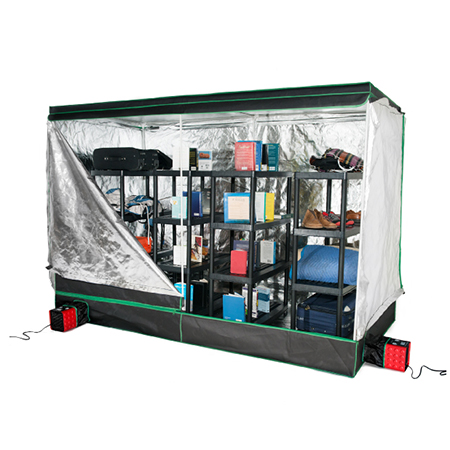
Some items might become damaged by the heat, such as plastics, some electronics, musical instruments, and more. If using heat for control sounds desirable to you, make sure to read and understand the proper way to self-treat. The last thing you want to do is damage your belongings while trying to eliminate an infestation.
If needed, some companies will provide heat treatments, as we have discussed above. Also, some companies will treat the entire house with heat as well without the use of a chamber. This process does require even more work on your part. To address the entire house or room, you will have to remove more items from the structure. Pets will have to be somewhere else during the treatment. Also, relocate oil painting and fish. While the workload might be a bit more intense for you, the results are quite good.
Bed Bug Treatment with Steam
Most insects do not like quick changes in temperature. As a result, using a steamer is a great way to eradicate an active infestation. This methodology will kill the bugs very well. That is, as long as the steamer reaches a certain temperature and you move slowly enough to keep the heat concentrated long enough for mortality to occur.
According to the University of Minnesota, “Surfaces must reach a temperature range of 160-180°F. Below this, bed bugs may survive. Above this range increases the risk of damage to the fabric and other materials.” When purchasing a steamer, check with the manufacturer to see the temperatures the steamer reaches before purchase.
Check out the video from the University of Minnesota on proper techniques for using a steamer for an infestation.
The average speed you should be moving is approximately one foot for every 30 seconds. Any faster, then the surface may not become hot enough to give the desired results. As the video above shows, using the use of a Temperature Gun Infrared Thermometer helps to ensure surface temperatures are ideal for control.
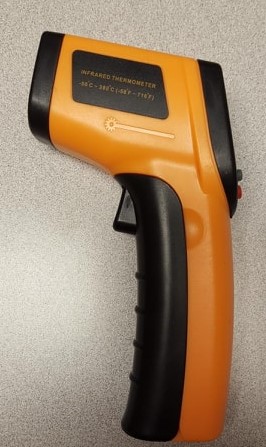
Do keep in mind that some surfaces can become damaged by steam. So, if you desire to use it, you may want to test the area before providing a steam treatment. Also, be sure to keep the steamer away from children and pets while it is in use; because the high heat could cause and injury.
Freezing Bed Bugs
Just like we discussed above, these blood-sucking pests do not like a quick change in temperature. Like steam, freezing changes the temperature quickly, aiding in the demise of the insect. I have heard of people putting clothing, in plastic bags, into their freezer for a couple of days with great results. Be careful what you do put into the freezer since not everything will survive such cold temperatures.
There is a company called Cryonite that sells freezing machines. As per their website: “Unlike insecticides and chemical-based solutions, Cryonite is non-toxic, easy to use, and effective. This method of pest control consists of using a Cryonite machine to spray frozen liquid carbon dioxide to kill pests. The CO2 is a temperature of -110 °F. This effectively freezes pests. Since Cryonite is not a chemically based treatment, insects are not able to build up a resistance to it.”
Here is a video link to their product in use https://www.youtube.com/watch?v=QTEq0fsi_dM
When using a steamer or freeze methodology, be sure to treat in crevices of the mattress, box springs, chairs, and more. As I stated earlier, these pests will nest anywhere we spend time. So, when providing treatment, be sure to focus on all seated areas. Just to keep you in the loop, these seated areas include couches, dining room chairs, office chairs, and even our cars. Be sure to check behind headboards and in nightstands as well, since these bugs like to nest close to their food source, us.

Vacuums for Bed Bug Control
Using a pest vacuum is a fantastic tool to assist in the removal of a nest. This methodology employs sucking up living bed bugs as well as dead ones and their eggs. Be sure that the vacuum uses has a Hepa Filter and a bagged system to prevent spreading the bugs to other areas of the home.
Like we stated above, focusing on the crevices is paramount. Check the folds of the matters, the box spring, and even your curtains. If you see these critters, suck them up. Insects can build resistance to insecticides. This resistance means that a small portion of the bugs will not die from a pesticide application. Those resistant bugs breed other resistant bugs. Since bed bugs breed quickly, resistance to insecticides could happen relatively quickly. The good news, insects can not build a resistance to being sucked up by a vacuum. When you employ this method, you remove the bugs you sucked up 100%.
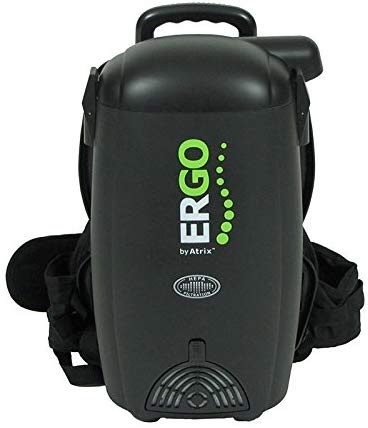
There is a backpack vacuum that has served us well. The vacuum is called Atrix - VACBP1 HEPA Backpack Vacuum and, Amazon sells it. I have included Amazon’s link for your information. So that you know, I do not get paid for mentioning this or any other products we discussed here. I wanted to show what has worked for me.
Insecticide Treatment
No matter which method you employ above, neither leaves a residual behind. Consequently, newly hatched bed bugs, or any that the treatment missed, will re-infest a treated area. So, at some point, if you want to gain control, a spray will have to be used.
I cannot stress enough; FOLLOW THE PESTICIDE LABEL DIRECTIONS of the product you choose. Not following the label to an insecticide could cause health issues and damage to the treated surface. So, read and understand exactly how an application should be applied before your application.
Many labels for an insecticide state that a mattress can be directly treated. I do not know about you, but I do not want to sleep on a bug killer. So, I always recommend using the product on the parts of the mattress and box spring where my body does not touch. That is if the product you chose has a label for bed treatment.
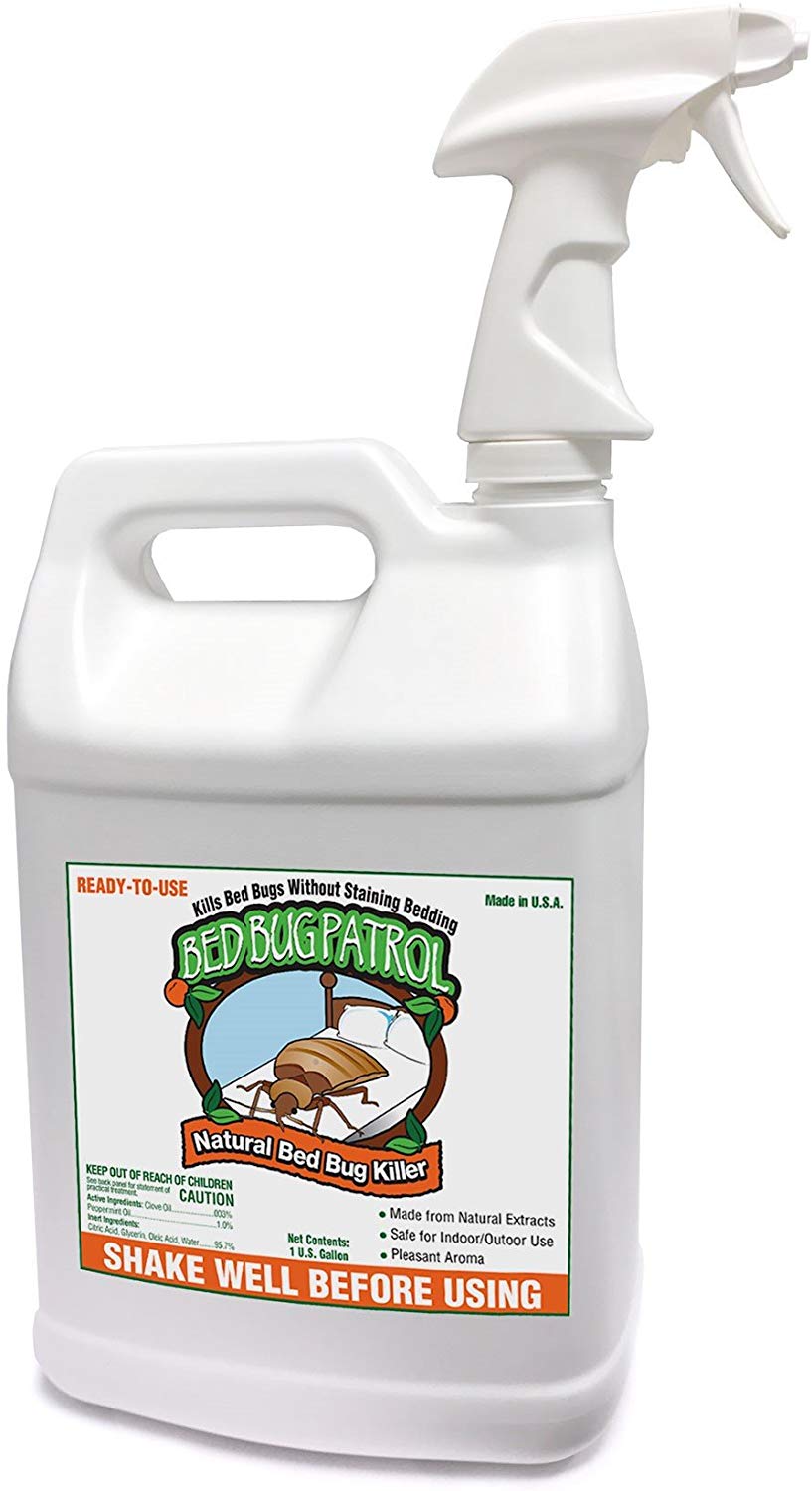
There are loads of insecticides available for treating this pest. Do your research to see which product fits your particular situation. But chances are you are still reading because you have a desire to use a natural solution. So, I will mention one, in particular, that is natural and has had some success. Like before, read the label and understand it fully before you use the product. This product is called Bed Bug Patrol by a company called Nature’s Innovations. Visit their website if you desire more information. This is not an endorsement.; but instead, it’s an FYI.
Mattress Covers
Covering your mattresses and box springs is one of the most important aspects of bed bug control. These mattress covers serve two purposes. First, the covers trap the bed bugs and eggs. Hence, preventing them from feeding and hatching. Second, it is difficult for bed bugs to nest on these covers due to the lack of folds. Thus, it reduces any bed bugs from nesting directly on your bed.
Getting the right mattress cover is super important. You do not want one that will tear easily. If it tears easily, it defeats the purpose of having the covers in the first place. Also, make sure the mattress covers have a place to tuck the zipper. If it lacks this feature, bed bugs can come and go as they wish through the small opening left behind by the zipper.
Now, good mattress covers do not come cheap. However, the alternative is having bed bugs living and feeding on you each night. Once you install these covers, leave them on for no less than a year. If they are removed sooner, the dormant insect will start a new nest.
The Bed Bug Treatment Guide Summary
As you can see, although these pests are called bed bugs, they will nest just about anywhere we spend our time. Consequently, it might be only a matter of time before each of us develop an infestation. The good news, you have some knowledge to assist should an infestation occurs.
We have discussed heat treatments, freezing techniques, vacuums, steaming, and insecticides. Each style of application should not stand on its own. It is best to use a variety of methods to gain control. And do not forget to use an insecticide to ensure something is killing the pests when you are not actively providing a treatment.
With this information, you are armed with the knowledge to tackle your infestation. However, there will be times, like all DYI people experience, when a professional is needed. Bed bug control is no exception. If these bugs are not getting under control, it is best to hire a professional exterminator to assist. Remember, these pest control professionals have specialized training in bed bug control. There is no shame in getting help.