Rodent Control Services


Rodent Control

Our rodent control services focus on removing active rodents and helping to prevent future infestations. Whether you search for rodent control, rodent services, or “rodent control near me,” you get a clear inspection, a professional plan, and practical steps to protect your home long term.

Request a Quote

Pick the way that works best for you:

Call Us
Submit Form


Call us today

It’s never been easier to have a beautiful lawn.


Hours

Monday – Friday: 8:00am to 4:30pm EST

(656)210-4355

30% off for NEW customers to our Annual Program

Text Message Scheduling

Opt into our text messaging platform to begin your program and schedule with us today!

Looks like no phone capture form has been configured in Site Settings.

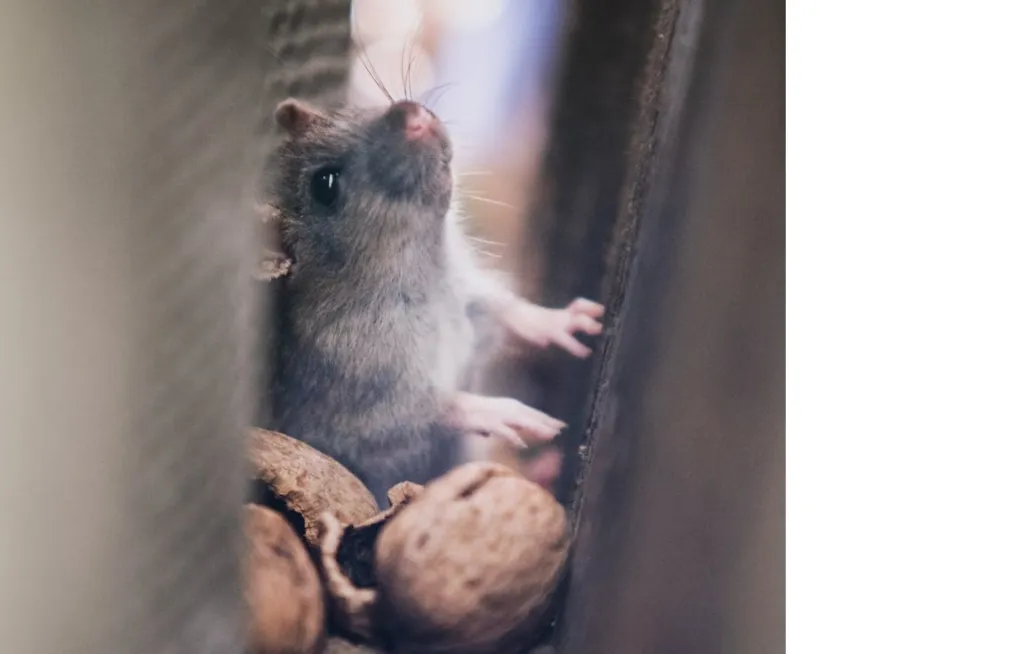
When rats and mice get into your home, they don’t stay in one corner. They travel through walls, ceilings, attics, and crawlspaces following hidden runways to food and water. You might hear scratching at night, see droppings in the pantry, or notice chewed packaging and wires. Once a rodent infestation starts, it rarely goes away on its own.

We combine rodent removal services with rodent exclusion, sealing gaps and cracks, and smart prevention so your home feels comfortable again.

Why Rodents Are a Problem?

Rodents are very good at finding ways into structures. They can squeeze through surprisingly small points of entry, climb along plumbing and electrical wiring, and nest in quiet spaces you rarely look at. Any home that offers food, water, and shelter can attract roof rats, Norway rats, and mice, even if it appears clean and well maintained.

Everyday conditions often support rodent activity without you realizing it. Loose trash can lids, bird feeders, pet food left out overnight, gardens, compost, dense landscaping, stacked materials, and cluttered storage all create opportunities. Attic and crawlspace areas provide nesting sites and nesting materials, and warm insulation makes an ideal hiding place. Effective rodent control has to look at both the inside of the home and the conditions around the exterior.

Why Are There Rodents Showing Up?

Most rodent problems come down to a few key drivers. In warmer areas, rodents stay active and reproduce quickly throughout the year. When a cold snap hits, they look for warmth in garages, attics, and wall voids. Construction, urban growth, and new development disturb their old habitats and push them into nearby homes instead.

Moisture and food complete the picture. Standing water, leaky pipes, irrigation, and damp crawlspaces create the type of environment rats and mice look for. Outdoor trash, unsecured garbage bags, pet food, bird seed, gardens, and compost piles provide steady food sources. When these conditions line up, rodents start using your home as their new nesting site.

Why You Shouldn’t Wait

Rodents reproduce quickly, so a small issue rarely stays small for long. Once they settle into insulation, wall voids, or storage areas, they spread through the structure and become more difficult and expensive to remove. Waiting gives them time to build more nests, contaminate more surfaces, and chew on more materials.

Acting early helps prevent bigger damage, especially to electrical wiring, pipes, insulation, and stored belongings. A prompt rodent control plan makes it easier to remove rodents, close off entry points, and prevent re-entry before the infestation becomes severe.

Signs You Might Have a Rodent Infestation

Most homeowners never see rodents in the open, but they do notice what rodents leave behind. Common warning signs include scratching or scurrying in walls or ceilings at night; small, dark droppings in the pantry, under sinks, along baseboards, or in closets; and gnaw marks on food packaging, wood, plastic containers, or wires.

You may also find shredded insulation, paper, cardboard, or fabric being pulled into nests, or smell strong urine or musky odors in certain rooms, closets, or in the attic and crawlspace. Pets often react first, staring at walls or ceilings, pawing at one area, or tracking sounds you cannot hear. If more than one of these signs is present, a professional rodent inspection is the safest next step.

Rodent Health & Property Risks

Rodents are more than a nuisance. As they move through your home, they contaminate surfaces, food storage, and preparation areas with droppings and urine. Dried droppings and dust can be associated with illnesses such as hantavirus and salmonella-related infections. In some situations, exposure to contaminated water or soil may also be linked to leptospirosis. Not every infestation leads to illness, but the risks are serious enough that cleanup should always be handled with care.

Rodents can also carry secondary pests such as fleas, ticks, and mites that may spread to people and pets. Their constant gnawing creates major property risks. Chewed electrical wiring increases the chance of fire. Damaged pipes and lines can lead to leaks and water damage. Heavy activity in attics and crawlspaces can ruin insulation, reduce energy efficiency, and leave strong, lingering odors. Over time, boxes, documents, fabrics, and even structural materials can be destroyed by an untreated rodent infestation.

Our Rodent Control Process

Step

1

Inspection & Identification
We begin with a detailed inspection of your property, inside and out. Outside, we examine the foundation, siding, roofline, vents, doors, garage, and utility penetrations to find entry points, runways, and travel paths. Inside, we inspect the attic, crawlspace, and key storage or utility areas for droppings, nesting materials, rub marks, and active rodent trails.
We also look for signs that tell us whether you’re dealing with roof rats, Norway rats, or mice because each species behaves differently and proper identification matters. After the inspection, we explain what we found, where rodents are likely entering, and what steps are needed to bring the infestation under control.

Step

2

Removal & Exclusion (Traps, Baiting & Sealing Entry Points)
Once we understand the situation, we design a removal plan that fits your home and safety needs. This plan may include a combination of traps and bait stations placed strategically along established travel paths, not scattered at random. Each device has a clear purpose and is positioned where it will be most effective. We review the plan with you so you know what is being used, where it is located, and what to expect during the first days of treatment.
At the same time, rodent control is not complete without exclusion. Removing rodents solves today’s problem, but sealing entry points helps prevent tomorrow’s. Once we identify gaps and openings that rodents are using or could use, we recommend sealing those points with rodent-resistant materials. Typical areas include spaces around plumbing and electrical penetrations, gaps under doors and garage doors, damaged vent screens, roof returns, soffits, and fascia boards. Proper exclusion helps prevent re-entry so you’re not facing the same infestation again in a few months.

Step

3

Monitoring & Follow-Up
Rodent activity can shift as entry points are sealed and food sources change, which is why monitoring and follow-up visits are part of the process. During these visits, we check traps and bait stations, remove captured rodents, and adjust placements based on fresh evidence.
We continue monitoring until there are clear signs that the infestation has been resolved. For homes in high-pressure areas, we can discuss an ongoing maintenance plan with regular exterior checks and equipment servicing to keep rodent populations in check.

Step

4

Sanitation & Cleanup Guidance
After active rodents have been removed, it’s important to address what they leave behind. Droppings, urine, and nesting materials can remain in attics, crawlspaces, and hidden voids long after the last rodent is gone. We can remove carcasses as needed and give guidance on safe sanitation and cleanup, including appropriate protective equipment and disinfectants.
In heavier infestations, professional sanitation, deodorizing, and in some cases insulation removal and replacement may be recommended. Proper cleanup helps improve air quality, reduce odor, and fully restore your living space after treatment.

Rodent Prevention Tips for Homeowners

Home Sealing

One of the best ways to prevent future rodent problems is to close off the openings they use to get inside. Add weatherstripping and door sweeps where you see light under doors. Repair torn screens and damaged vent covers. Seal cracks and crevices in foundations and around windows. For larger gaps, use metal mesh or steel wool with sealant so rodents cannot chew their way back in.

Food & Water Control

Store pantry items and pet food in airtight containers. Clean up crumbs and spills quickly in kitchens and dining areas. Take kitchen trash out regularly and use cans with tight-fitting lids. Outside, avoid leaving pet food out overnight, and keep garbage and recycling secured. Fix plumbing leaks and reduce standing water to remove moisture sources that attract rodents.

Yard & Exterior Maintenance

Trim shrubs and branches away from the roofline and exterior walls. Keep mulch, landscaping, and dense vegetation from piling directly against the foundation. Avoid stacking firewood, boxes, or stored items against the house, since these create hiding and nesting spots. Be mindful of bird feeders and compost, which can easily become food sources for rats and mice if not managed closely.

Seasonal Rodent Activity

Rodent pressure changes with the seasons. In fall and winter, rodents seek warmth and are more likely to move into attics, garages, and wall voids. In spring and summer, outdoor populations grow and tall vegetation provides cover. After long periods of rain, saturated soil and flooded burrows can drive rodents into structures. A quick seasonal check of your exterior, attic, and crawlspace can help you catch early activity before it becomes a major rodent infestation.

Why Professional Rodent Control?

DIY traps and over-the-counter baits can sometimes catch a rat or mouse, but they rarely solve the full problem. Most home efforts do not address all nesting sites, do not find every point of entry, and do not include a long-term plan to prevent future infestations.

Professional rodent control brings everything together: careful inspection, a structured removal plan using traps and bait stations, safe placement with kids and pets in mind, thorough exclusion of entry points, and guidance on sanitation and follow-up. This complete approach reduces health risks, protects your property, and gives you confidence that the infestation has been handled properly.

What We Treat?

Our rodent services cover the most common species that invade homes, including roof rats, Norway rats, house mice, and field mice. If you are not sure what type of rodent you have, that is completely normal. Part of our inspection is identifying the species so the rodent control and exclusion plan can be matched to their behavior and nesting patterns.

Rodent Control FAQs

Schedule Your Rodent Inspection

If you are hearing scratching in the walls, seeing droppings, or simply want peace of mind that your home is protected, now is the right time to act. Schedule a professional rodent inspection today. We will inspect your home, explain what we find, and create a rodent control plan that removes rats and mice, seals entry points, and helps prevent future infestations.